
Peptide Research
BPC-157 and TB-500: What Researchers Compare

Oct

BPC-157 and TB-500 are two research peptides that labs often compare, because researchers study both in tissue-repair research models. They differ in origin, size, and the pathways that labs examine. This guide explains each one, covers the blends on the market, and shows how to vet a supplier before you order.
BPC-157 and TB-500
BPC-157 and TB-500 are synthetic peptides that come from different natural sources, one from a gastric protein and one from thymosin beta-4, yet researchers often study them side by side in tissue-repair research models.
The reason for the pairing is simple. Both peptides appear in published animal and cell studies on tissue-repair processes, such as cell migration and new blood vessel formation. However, they act through different mechanisms, so labs compare them to see how each one behaves in the same model. For that reason, many research teams order BPC-157 and TB-500 together and run them as separate arms of one study.
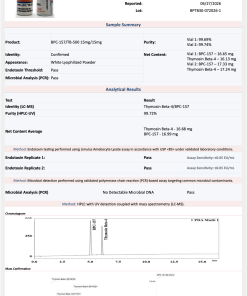
Picture a lab that plans a comparison study with two peptides and a control group. The team needs both compounds from the same supplier, with batch reports that match each vial. At Simple Peptide, we post every report on our COA page. As a result, the team can file the paperwork for BPC-157 and TB-500 in one step and start the study on schedule.


Immunomodulatory Peptides

Home page


Immunomodulatory Peptides
What is BPC-157
BPC-157 is a 15-amino-acid peptide, also called a pentadecapeptide, based on a partial sequence of a protein that researchers first found in gastric juice and named body protection compound.
Researchers study BPC-157 in tissue-repair research models, including tendon, muscle, and gut models in animals. In addition, some studies look at how it relates to blood vessel growth and nitric oxide signaling. Labs also value its stability in lab conditions, which makes it a common reference compound. For a full overview of our product, visit our BPC-157 peptide page or the BPC-157 product listing. You can also explore the literature through a PubMed search for BPC-157.
What is TB-500
TB-500 is a synthetic peptide based on the active region of thymosin beta-4, a 43-amino-acid protein that binds actin, a key building block of the cell’s internal structure.
Because thymosin beta-4 binds actin, researchers study it in models of cell movement and structure. TB-500 lets labs focus on the short active region instead of the full protein. Therefore, researchers study it in tissue-repair research models that track how cells migrate and organize. Our TB-500 (Thymosin Beta-4) listing includes the batch details for each vial.
Key differences at a glance
- Origin: BPC-157 comes from a gastric protein sequence, while TB-500 comes from thymosin beta-4.
- Size: BPC-157 has 15 amino acids, while TB-500 covers a short region of a 43-amino-acid protein.
- Research focus: labs often study BPC-157 in gut and tendon models and TB-500 in cell migration models.
BPC-157 TB-500 blends
BPC-157 TB-500 blends are research products that combine both peptides in one vial, so labs that study the pair together can work from a single source with one batch report.
Blends save prep time when a study design calls for both compounds at once. For example, our BPC-157/TB-500 Blend pairs the two peptides in a single vial. Some labs want a wider panel, so we also offer three- and four-peptide options. The GHK-CU/BPC-157/TB-500 GLOW Blend adds GHK-Cu, a copper-binding tripeptide that researchers study in skin and collagen models. Similarly, the GHK-CU/BPC-157/TB-500/KPV KLOW Blend adds KPV, a short peptide that labs study in inflammation research models.
However, blends do not fit every design. If a study needs to isolate the effect of each compound, separate vials of BPC-157 and TB-500 give cleaner data. In short, choose a blend for combined arms and single vials for side-by-side comparisons.
Home page


How to choose a supplier
The quality of a comparison study depends on the material in each vial. So before you order BPC-157 and TB-500 from any company, run through a short checklist:
- Batch-level COA: each batch should have its own certificate of analysis.
- Third-party lab: an independent lab should run the tests and name its methods.
- Matching batch numbers: the number on the vial should match the report.
- Clear research-use policy: the supplier should state that products are for lab research only.
- Public policies: look for a contact page and a shipping and returns page.
At Simple Peptide, we built our store around that list. First, an independent lab tests every batch. Next, we publish each report. Then we keep our shipping and returns policy and contact page public. We also describe our products as US manufactured research peptides, and you can browse the full range in our research peptide category.
Storage notes for lab teams
Both peptides ship as lyophilized powder. Most labs keep sealed vials cold, dry, and away from light. They also label each vial with the batch number and the date they first open it. That habit keeps records clean when a study on BPC-157 and TB-500 runs for several months.
Immunomodulatory Peptides
Immunomodulatory Peptides
Frequently asked questions
What is the main difference between BPC-157 and TB-500?
BPC-157 comes from a gastric protein sequence, while TB-500 comes from thymosin beta-4. Researchers study both in tissue-repair research models, but through different pathways.
Why do labs order BPC-157 TB-500 blends?
Blends save prep time when a study needs both peptides at once. Separate vials, however, suit side-by-side comparisons.
Does Simple Peptide test every batch?
Yes. An independent lab tests each batch, and we publish the certificates of analysis on our COA page.
Disclaimer: Simple Peptide sells all products for laboratory research use only. They are not for human consumption, and nothing in this article is medical advice.
